by Denise Masayesva
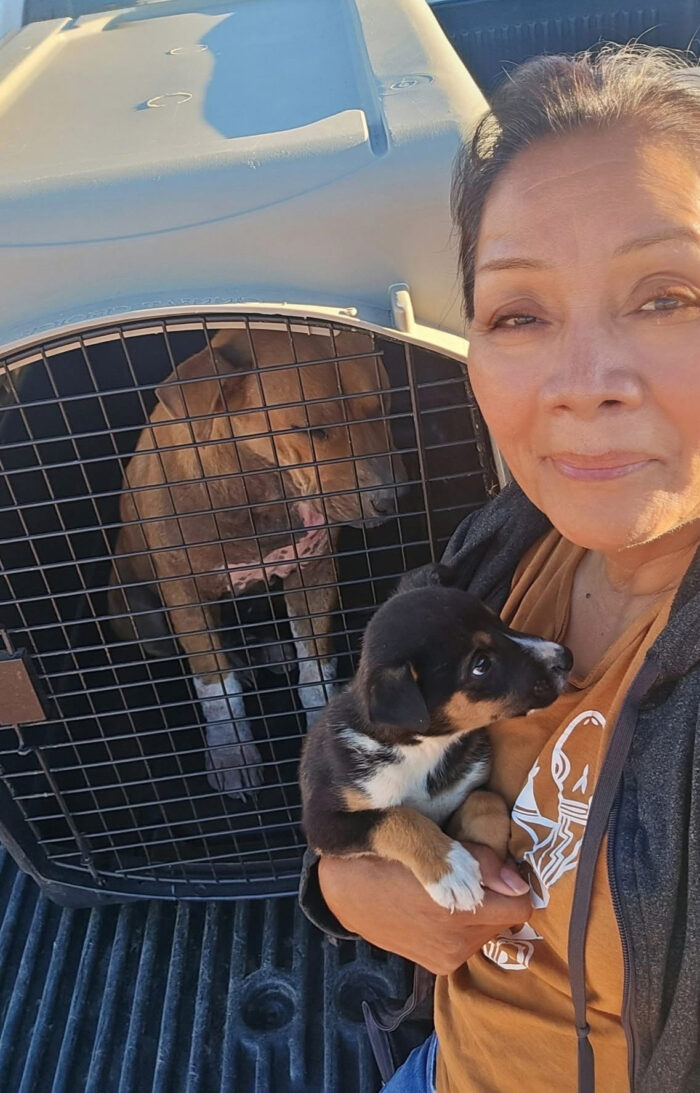
When I had my first meeting with Rose to discuss fostering two puppies I remember thinking, “So MANY rules…” and thinking… “but these are REZ DOGS, the hardiest of the hardiest, the Superman of dogs on planet earth.”
And when Rose informed me that each animal had to be quarantined for two weeks after receiving them in a pen or contained area, I was like, “But…. our dogs out here roam, they have unlimited space with literally no physical boundaries to keep them contained. And now they have to stay in a contained space for TWO WEEKS?
Since then, I have learned why these rules are necessary and how they impact the safety and medical needs of our pups. Hi, my name is Denise Masayesva and I and my family have been an official foster dog family for pups and dogs here on Hopi beginning in August of 2025.
We are Hopi, from the village of Hotevilla, and belong to the Tuwangyum or Sand clan. Our roots in the high deserts, mesa and plateaus on what is now called Northeastern Arizona run deep. One of our villages, Oraivi, is considered by archaeologists to be the oldest continuously inhabited community in North America with a date of occupation since 1100 AD.
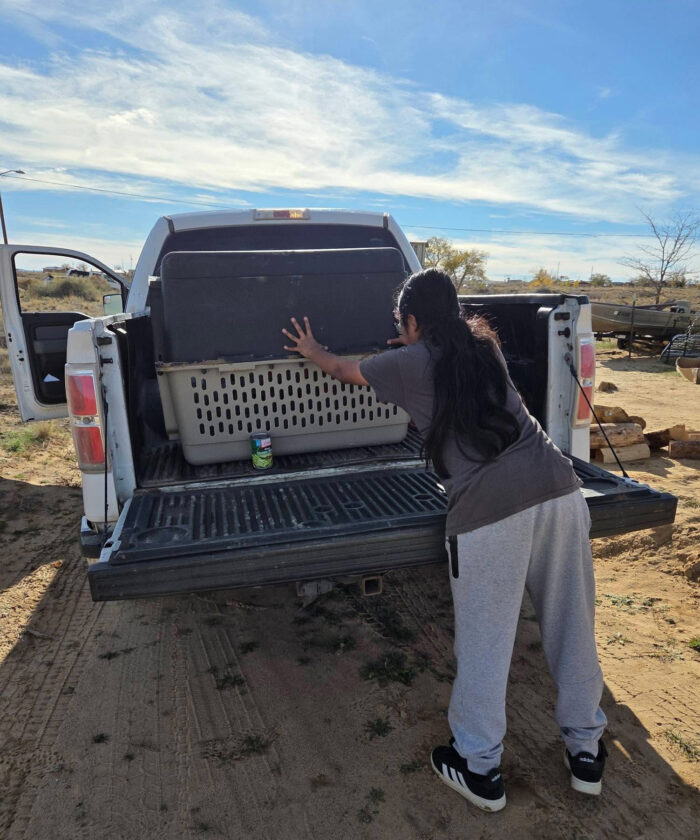
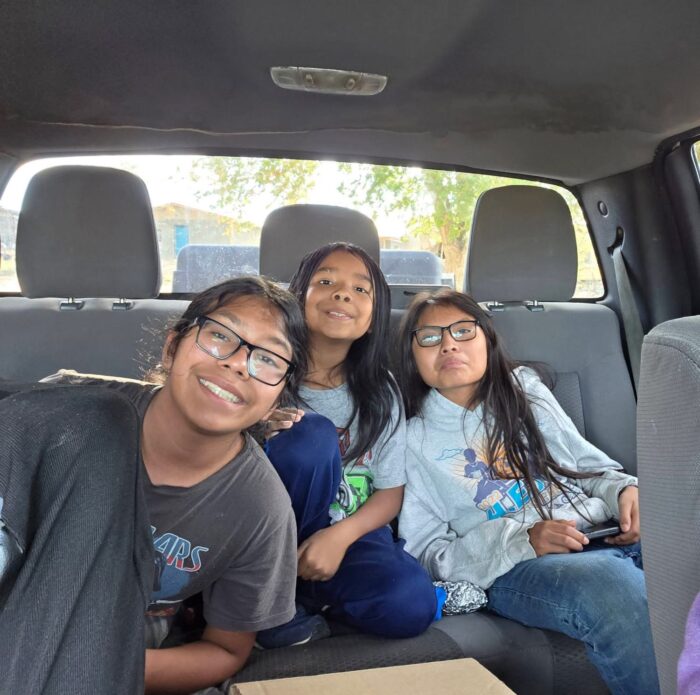
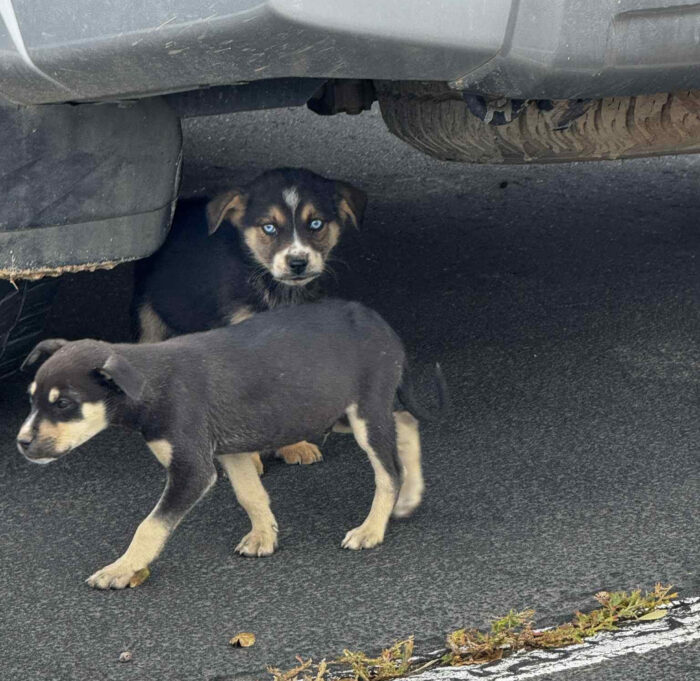
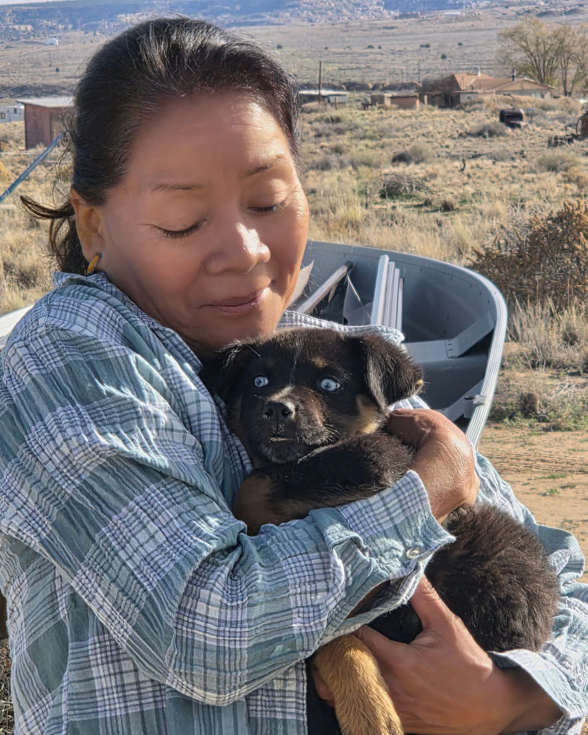
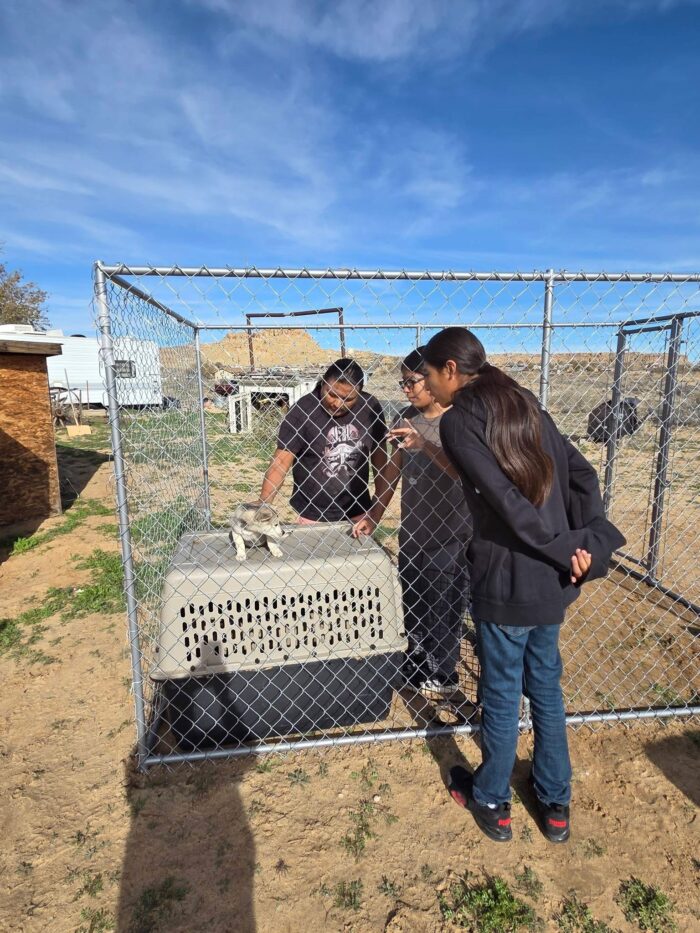
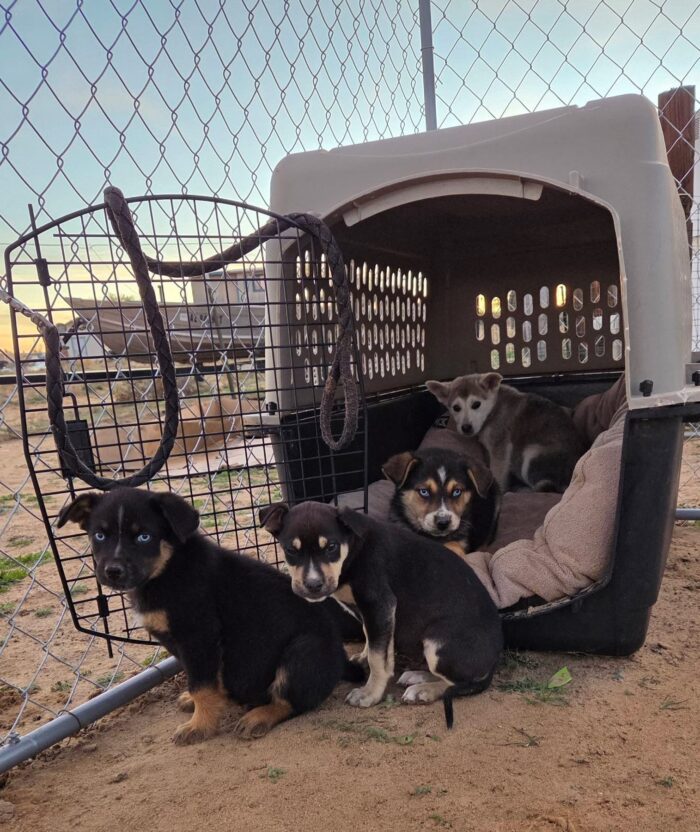
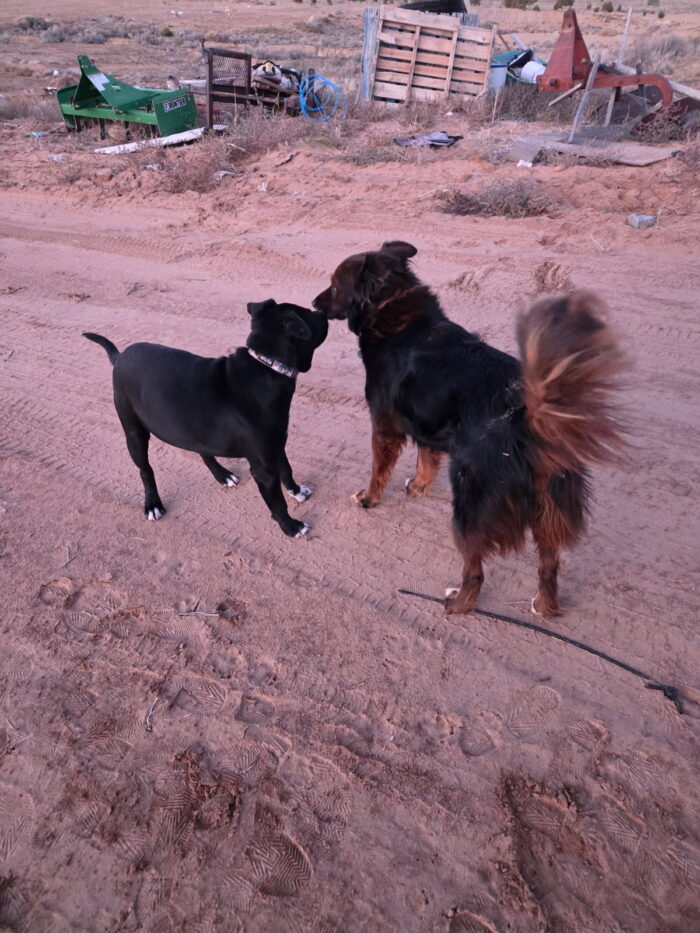
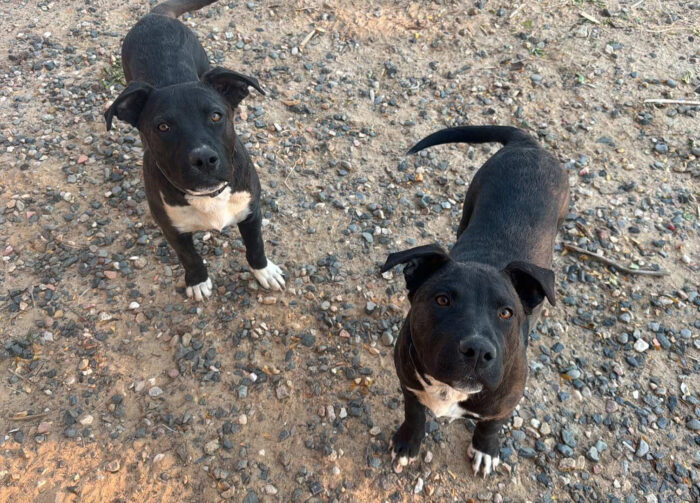
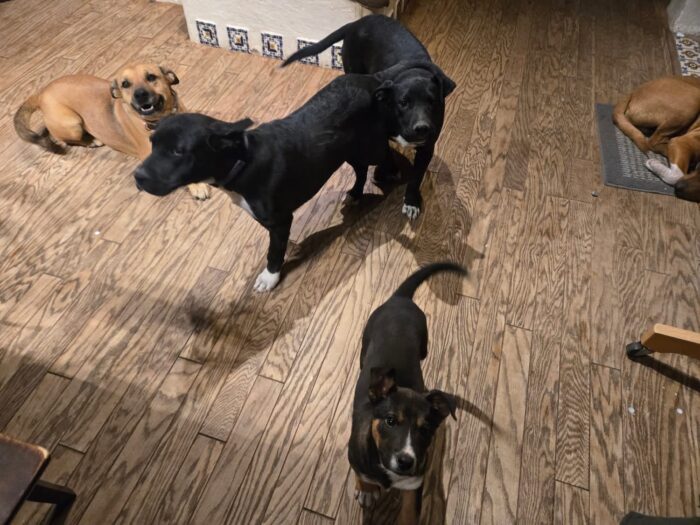
Since August we have fostered a total of 14 pups, 9 of which are currently at our home site awaiting medical care and kennel placement at a partner rescue. With this number of dogs and pups, family participation is crucial. Our Po’koya (Po’koya means puppy in the Hopi Language) Paw Patrol includes my 4 grandsons, my son Kendall and my mother Becky.
The chores include feeding, watering, going on numerous poop patrols, giving medication, cleaning up barf, cleaning out kennels, training dogs to be on a leash, weekly trips to Tuba City (a 90 mile round trip) to see Dr. Holgate, driving to Flagstaff, Arizona, a 200 mile round trip for dog supplies, responding and searching the local villages for dogs needing extreme medical care and educating our local residents about fostering and basic medical care.
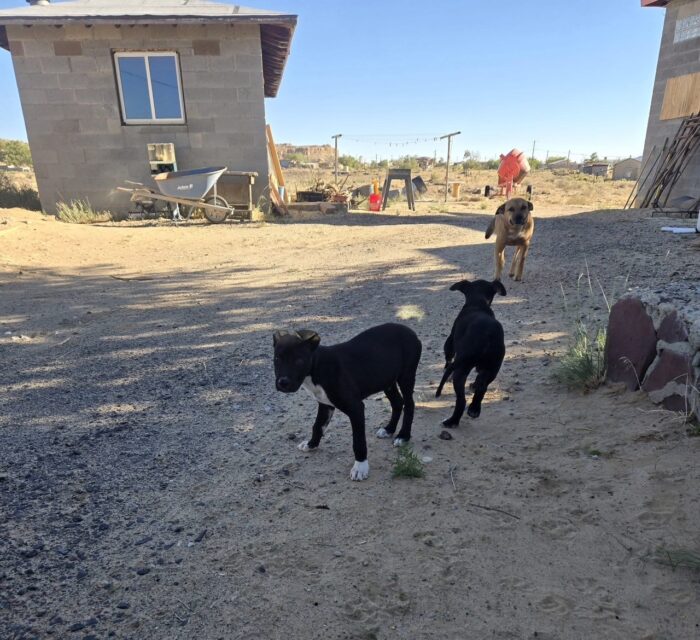
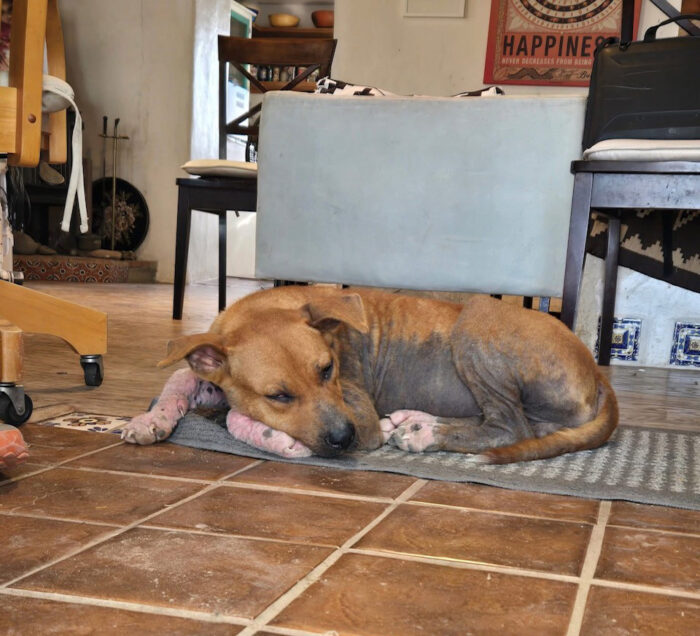
One of the unique challenges that impact animal care and ownership is that an estimated 90% of households or homes on Hopi do not have fenced yards. Traditionally, Hopi villages were separated into sections or “neighborhoods” that were identified by a certain clan. Homes in these clan neighborhoods were connected (shared a wall) or the homes were in very close proximity to other homes, therefore, the concept of a yard was and still remains a very foreign concept in Hopi villages.
Without any physical boundaries such as fences, animals are free to roam from one end of the village to the other. Without any boundaries the transmission of diseases and parasites from dog to dog is very likely. In addition, without fences female dogs can produce litters twice a year. When a cute puppy becomes an adult and contracts mange and or ticks, they quickly become something to fear instead of hug. To protect children, the sickly dogs are shooed away from homes that may have been their home and leftover human food that would have otherwise been placed outside is thrown away instead. Residents do not want to attract a scary and smelly dog to their home.
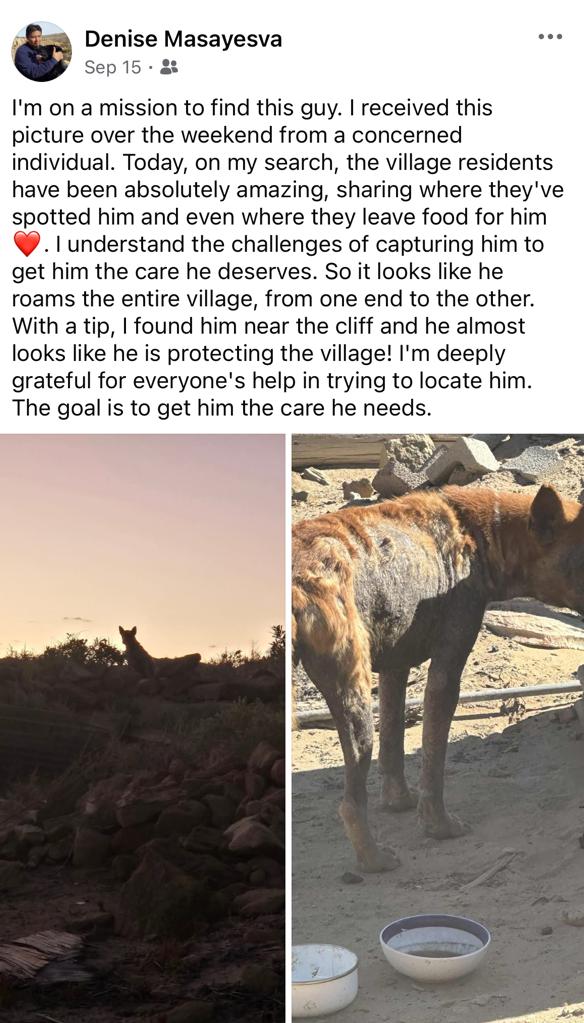
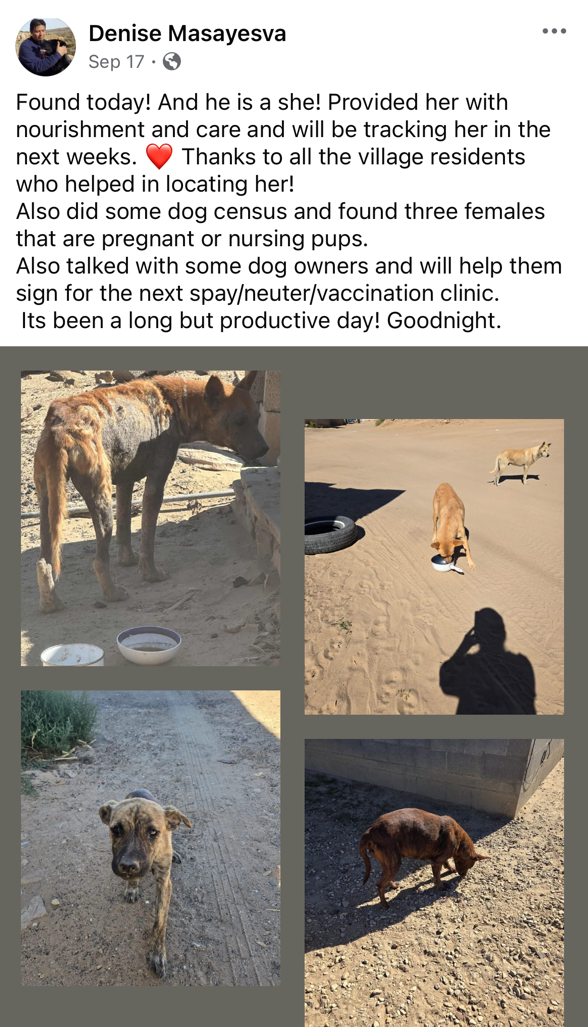
Lack of physical boundaries also cause dogs to form packs that can quickly become territorial and protective which humans can interpret to mean vicious. Dog attacks have occurred on Hopi injuring people and killing livestock. Despite the many challenges, there are many Hopi residents who have a love and need to care for animals.
In our interview with village residents, we have learned that most of the individuals have shared their concern for unwanted and sickly animals and express the need for increased services to educate and provide care for strays. In our efforts to curb the large number of feral/unwanted dogs, we will be providing community presentations about becoming fosters or potential adopters.
Fostering animals has always been a part of our lives since I was a child. My mother, one of the most awesomest moms, allowed me to take in the many strays, both cats and dogs and even helped me to nurse them back to health. Despite the stinky smells, she never made me take them outside. In fact, I would place them in a box which I placed near my bed. It was through my moms encouragement that my nurturing instinct was allowed to grow.
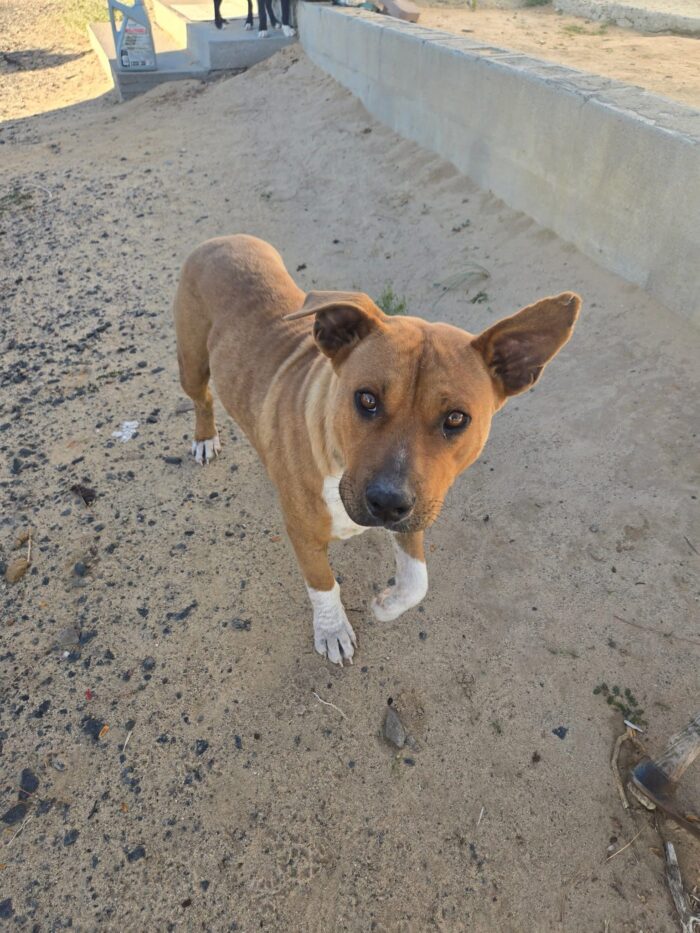
In our villages and communities, unfortunately, we see so many unwanted dogs, both tame and feral who lack medical care, food and water. I have seen many dogs that are severely malnourished, have broken limbs, are infested with ticks or fleas, and are just barely surviving. I have also seen these dogs flourish with a sense of independence. One of the most rewarding experiences is seeing a sick and scared dog or puppy with their tail tucked between their legs, become happy and confident with their tails wagging, running up to with love and giving you puppy hugs.
This article was published in the Tuba City Humane Society December, 2025, Rescue Tales newsletter.